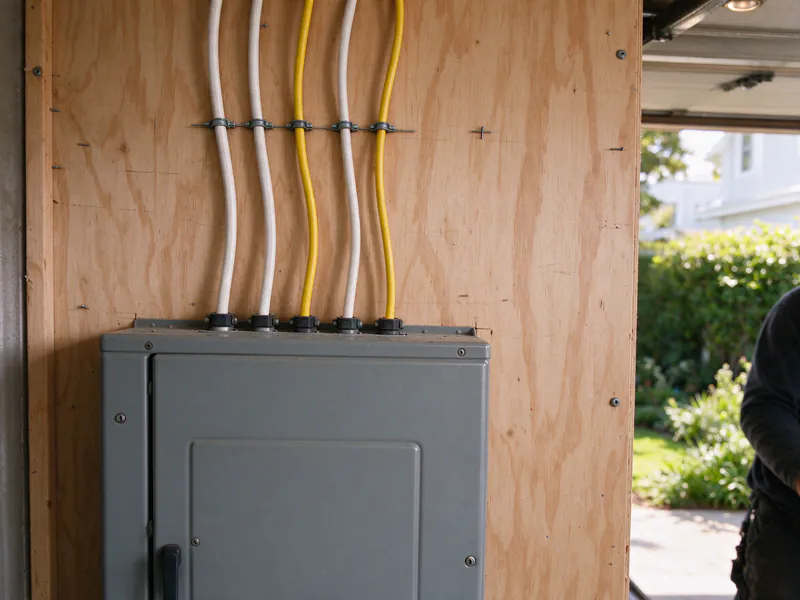
A panel upgrade can be the first electrical job an older house gets, and it is easy to mistake for the whole job. A new panel changes what protects the circuits and how much power the house can draw. It does not change the wire in the walls. Every knob and tube run that was live on the old fuse box is still live on the new breakers, which is why this page treats the panel and the branch wiring as two decisions made from one set of tests.
Fog City SF Knob and Tube manages electrical panel and service upgrades in San Francisco and the East Bay: fuse boxes and worn or undersized panels replaced, services resized when the load calculation calls for it, and PG&E’s side of the work coordinated. The electrical work is carried out by licensed and insured electrical contractors holding California C-10 licenses, under a DBI electrical permit.
What happens on the first visit
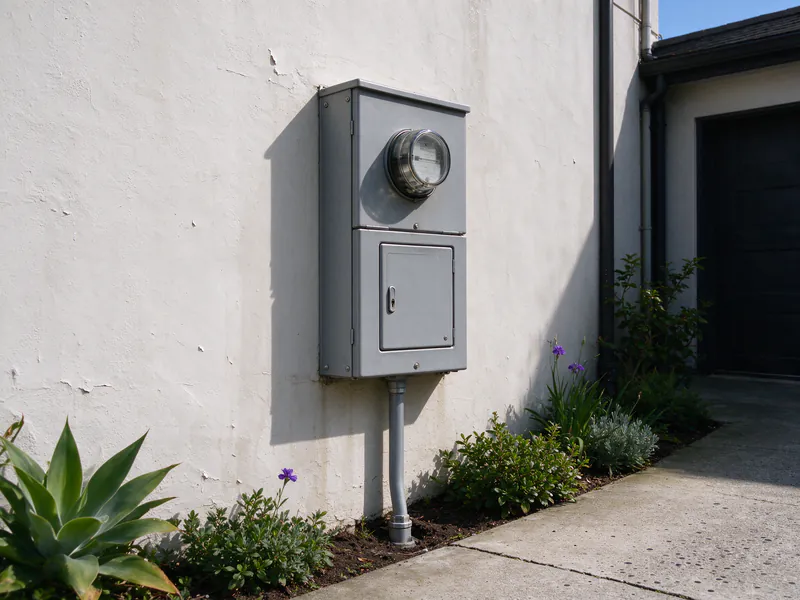
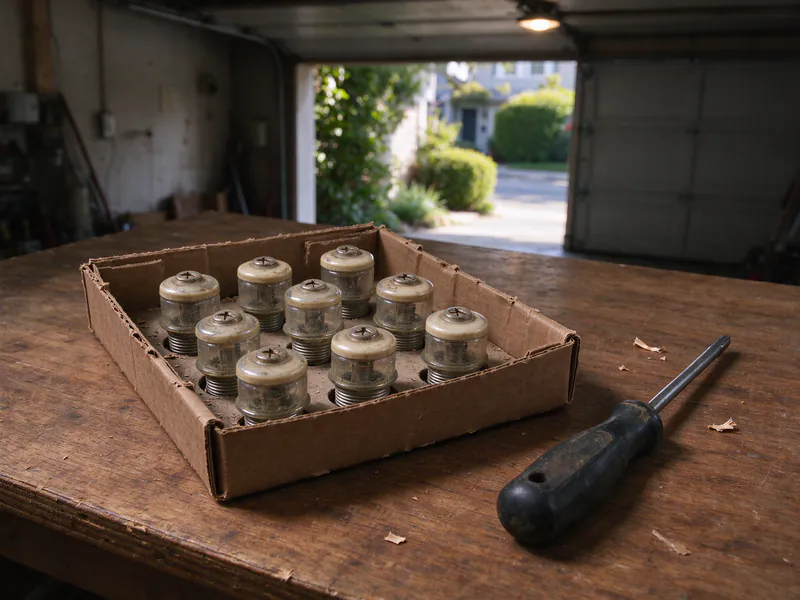
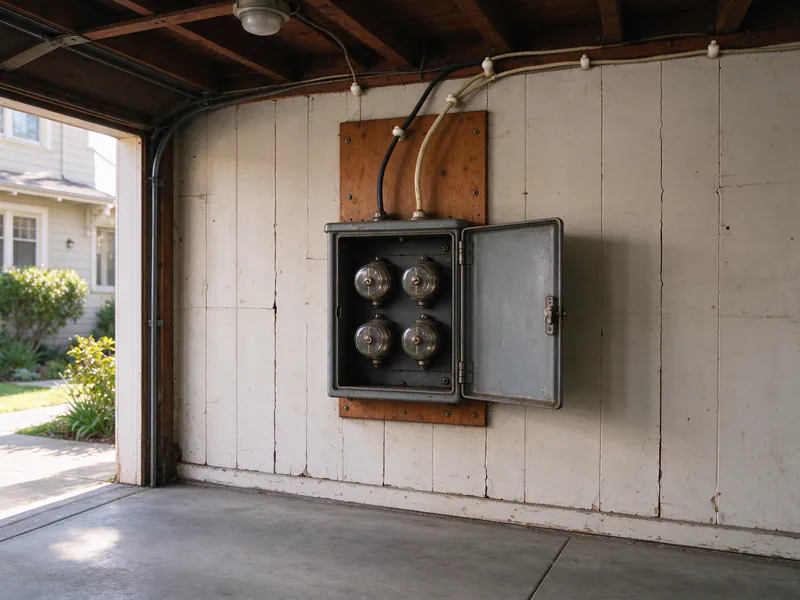
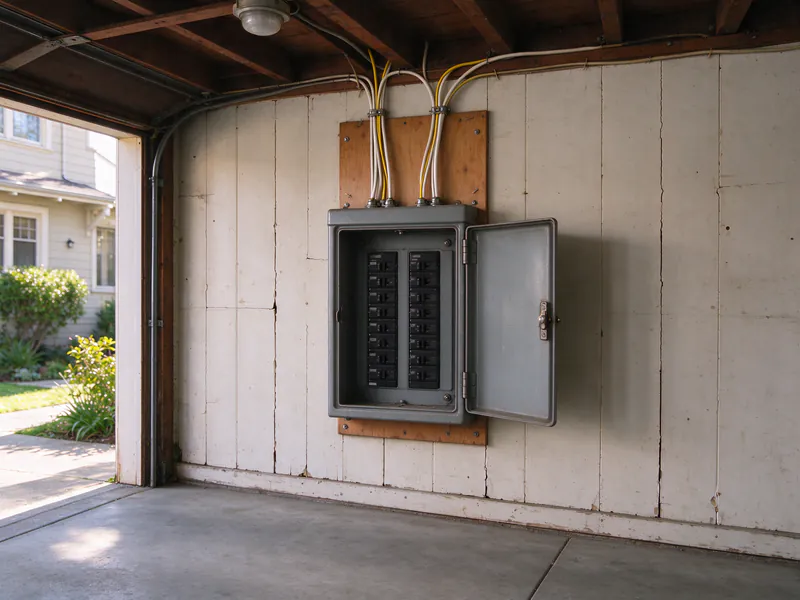
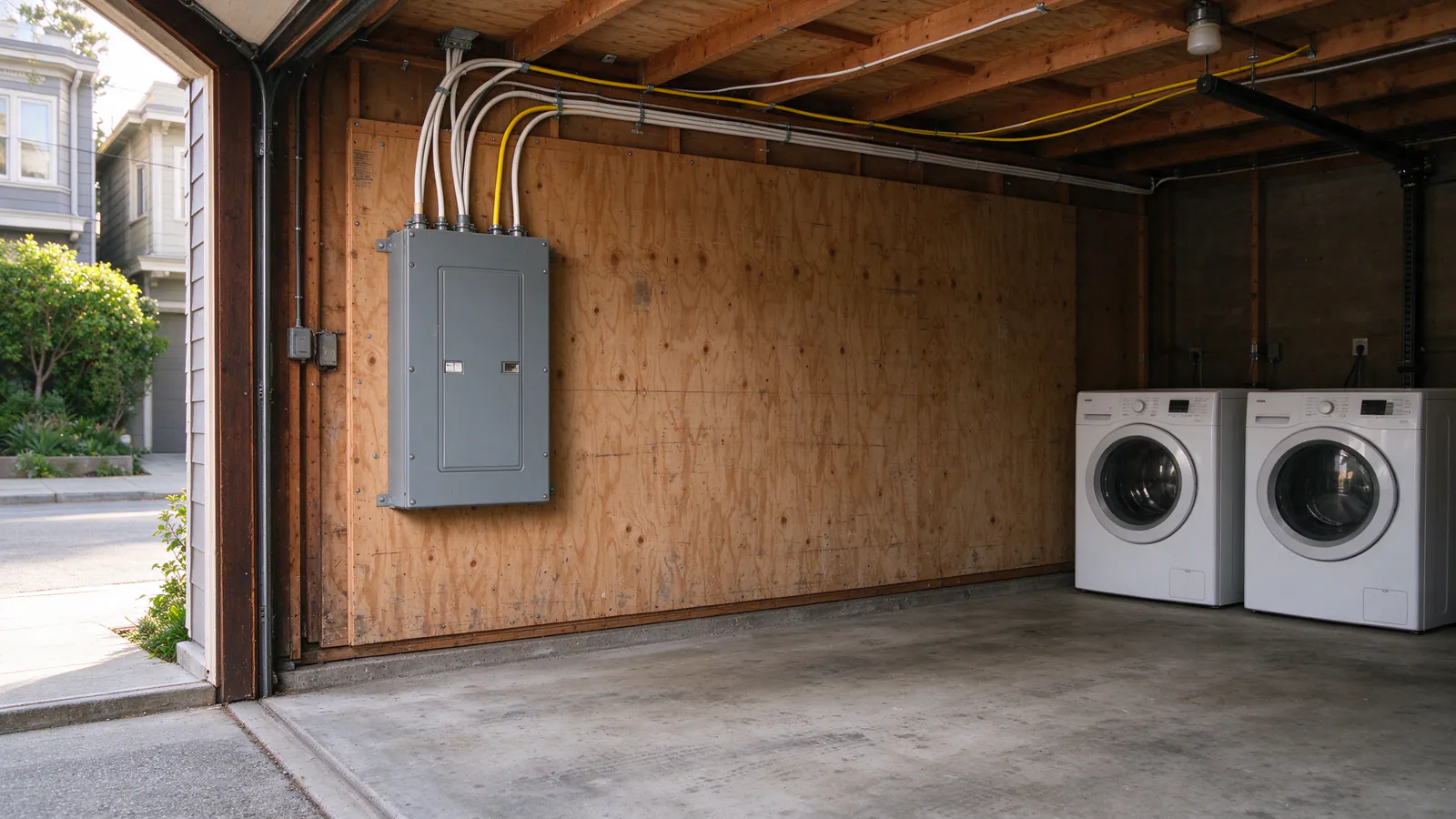
The first visit starts with a panel inspection. The panel or fuse box is opened and recorded: its condition, its listing, how many spaces are free, what size each fuse or breaker is and whether that size suits the wire it protects. Oversized fuses on original circuits are a known knob and tube problem: a fuse larger than the old conductors were meant to carry lets them overheat before anything blows. The visit also records the grounding and bonding, the meter, and whether the service arrives overhead through a mast and weatherhead or underground.
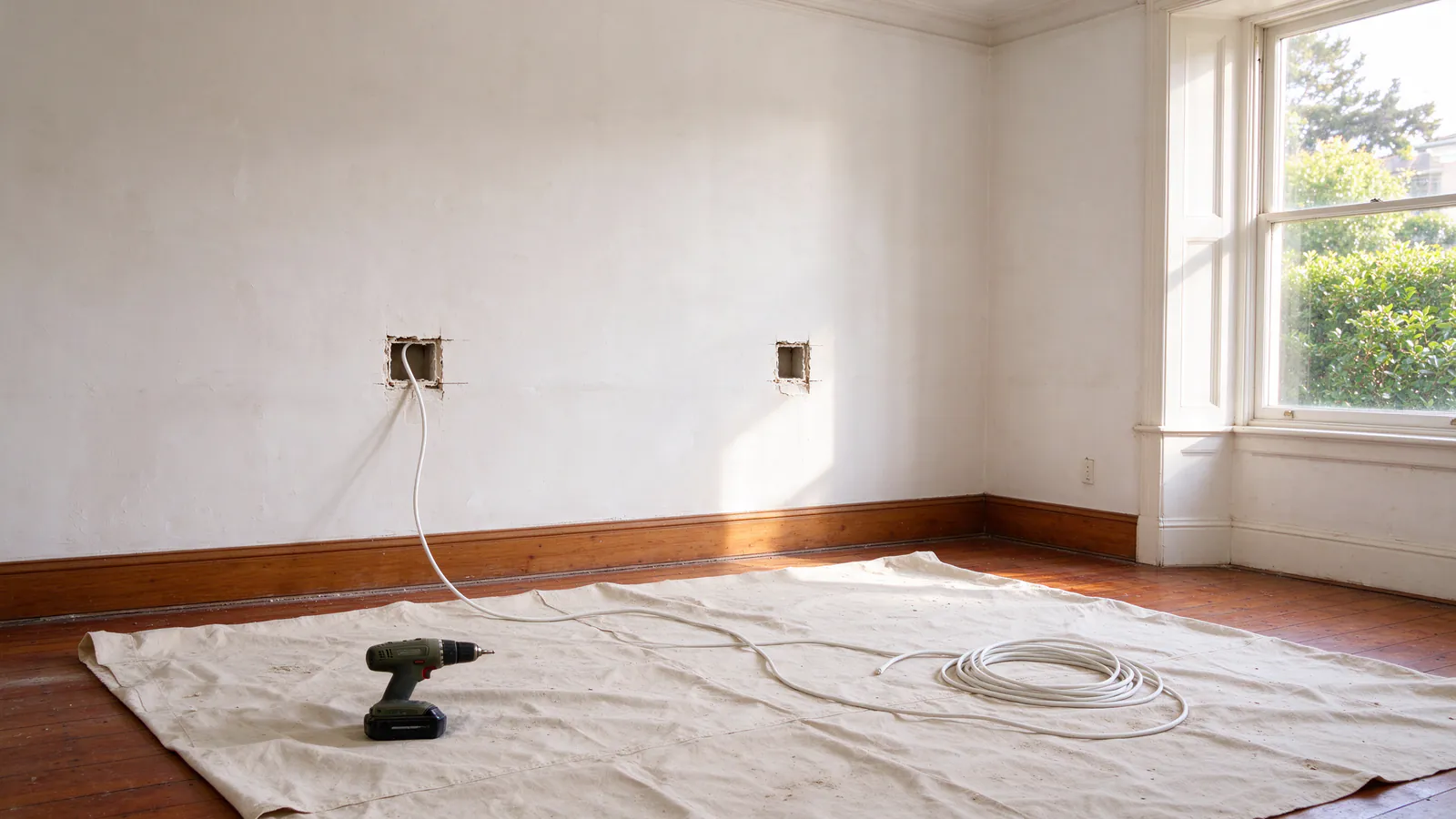
Then every branch circuit is tested and mapped, so the owner knows what the new panel would feed; on its own, that half of the visit is a knob and tube inspection. Permit text shows how often the two scopes travel together: in San Francisco electrical permits filed since 2016 that name knob and tube, 11.0% mention a service upgrade, main panel or meter, 11.3% mention 200 amps and 27.9% mention a subpanel. One filing reads “remove and replace fuse box/meter with new meter … terminate knob and tube.” The written scope that follows lists the panel work and the wiring work as separate lines, each with its own price.
When a house runs short of capacity
Capacity runs short for ordinary reasons. Original services were sized for lighting and a few outlets, and permit descriptions still mention 30 A and 60 A services and fuses. A kitchen remodel, a second bathroom or a laundry added over the decades can have used up what spare capacity there was. Electrification asks for more: induction cooking, a heat pump water heater, heat pump heating and a car charger each want their own 240 V circuit.
Local rules are pushing the same way. Piedmont’s amendments to the 2025 California Electrical Code require a 240 V, 50 A circuit within 6 feet of the kitchen cooking appliance and a 120/240 V, 30 A circuit in the laundry, including when more than half of a dwelling unit’s 120/240 V wiring is replaced. Berkeley’s BESO menu credits an electrical service panel upgrade at sale. The symptoms owners notice, such as breakers or fuses that blow when two appliances run, are worth a test, but they do not prove the service is too small: an overloaded original circuit and a small service look the same from the kitchen.
The load calculation decides the size
A load calculation turns the guesswork into a number. It adds up the house’s general lighting and receptacle load by floor area, the fixed appliances, the heating and cooling, and anything the owner plans to add, using the California Electrical Code’s Article 220 methods for existing dwellings, then compares the result with the service rating. Piedmont has deleted one of those optional existing-dwelling methods, 220.83(A), so a calculation there follows the remaining rules.
The result picks one of three paths. If the load fits the existing service, the panel can be replaced at the same size, or a subpanel added where the main panel has no spaces left. If it does not fit, the service is upgraded, for example from 100 A to 200 A, and PG&E becomes part of the project. A load calculation done with the rewire plan in hand sizes the panel for the circuits the house will actually have, not the ones it has today; the whole-house rewiring page explains how the two are planned together.
A new panel does not replace knob and tube
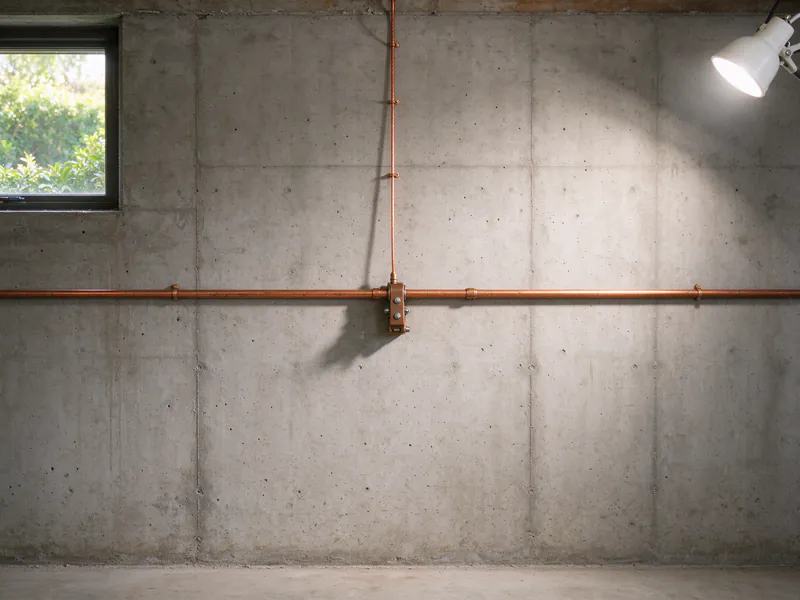
This is the misconception that costs owners the most. Changing a fuse box for a breaker panel removes no branch wiring at all, and it can make old circuits behave worse: modern arc-fault and ground-fault breakers often trip on knob and tube circuits with shared neutrals or leakage, which the AFCI and GFCI guide explains. Insurers know the difference too. One San Francisco permit records that an insurance company required the owner “to replace the knob & tube wiring and replace the federal pacific main breaker,” two scopes named side by side.
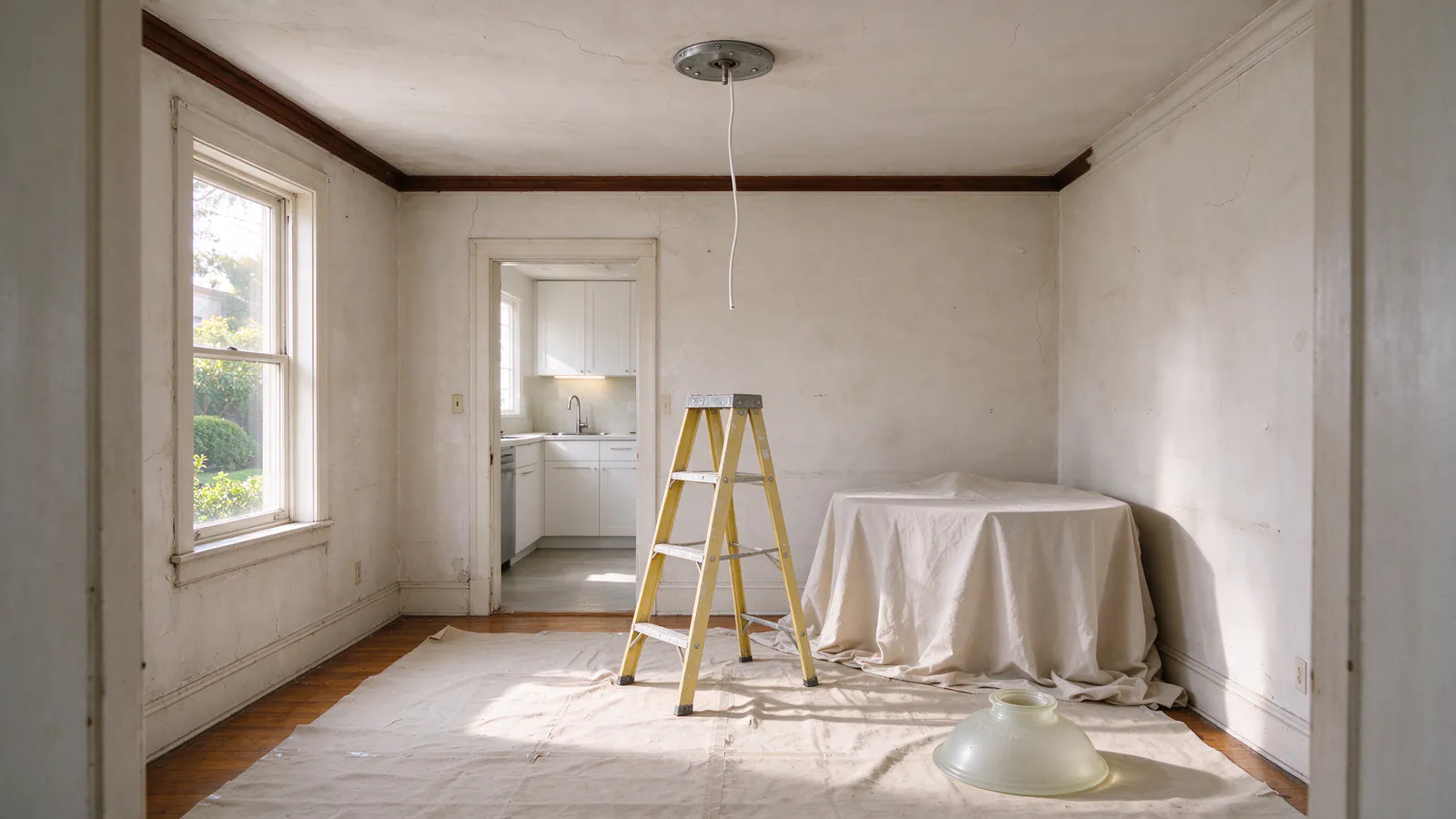
So the panel quote should say which circuits the new panel will feed and which of them remain on knob and tube. Where only a few are left, a partial replacement can be scheduled with the panel work; where most of the house is original, the full rewire usually comes first or together. The panel upgrade vs rewiring guide covers the decision in depth, and the amp rating guide explains what original circuits can carry.
PG&E’s side of a service upgrade
Any new load or service change goes through PG&E. Residential panel changes, upgrades and added load up to 320 A use PG&E’s Express Connect process, which also covers relocating an overhead service, through an application on PG&E’s Your Projects Portal. PG&E says it assigns someone to the project within five business days, that a load assessment can take up to 30 days, that any engineering advance is due within 30 days of its invoice, that the contract is executed within 90 days, and that full payment is due before construction or meter installation, with no installments.
Under its Rule 15 and Rule 16 tariffs, PG&E gives a residential allowance of $3,255 per meter or dwelling unit toward service facilities, and the applicant pays PG&E’s estimated installed cost above it, plus tax. Whether that allowance offsets the upgrade of an existing service is a question PG&E answers on each job. PG&E permits only its own outside infrastructure; DBI permits and inspects everything on the house side. After the city inspector approves the work, PG&E says it typically reconnects within one day.
Overhead and underground services
In San Francisco permit text, overhead services far outnumber underground ones. Among the 2,023 knob and tube permits filed since 2016, 63 mention an overhead service, mast or weatherhead and 5 mention an underground service. An overhead upgrade changes the mast, weatherhead, meter base and service-entrance conductors. San Francisco’s amendments require those conductors to run in a raceway such as rigid metal, IMC or PVC conduit of at least 1-1/4 inch rather than in cable, though conductors may be re-pulled in a previously approved raceway.
Underground services are concentrated where the neighborhood was built that way. SF Planning’s draft study of the city’s residence parks, many of them west of Twin Peaks, notes underground utilities in Forest Hill, Sea Cliff, Presidio Terrace and West Clay Park, and in Balboa Terrace north of Darien Way. There a bigger service can mean trenching from PG&E’s facilities, and PG&E says underground upgrades with trenching can exceed $10,000. In Article 10 historic districts, a new mast, meter or conduit on a facade visible from the street is an exterior change and is checked with SF Planning per address before the work is scheduled.
Permits, the Green Tag and East Bay differences
In San Francisco, a panel or service change needs a DBI electrical permit, filed through PermitSF. Current DBI fees include $580 for residential work of up to 40 outlets and devices including a service upgrade of up to 200 A, and $450 for service equipment of 225 A or less as its own permit. The work is inspected, and DBI issues the Certificate to Connect Current, the Green Tag, before power is restored. The permit guide has the full fee table.
The East Bay adds its own steps. Oakland requires a PG&E AIC letter for every service change-out or upgrade before its inspector releases the green tag. PG&E issues that letter only after the city permit is issued, Oakland says it can take up to three days, and same-day utility release inspections are not possible. In Oakland, a fuse box or subpanel in a clothes closet can be maintained and repaired but not altered, and adding a circuit counts as an alteration; Alameda allows circuits to be added to an existing closet panel, but swapping the panel requires code compliance. Alameda is served by Alameda Municipal Power rather than PG&E, and its rules say that modifying any portion of an existing service requires a complete service upgrade to current code, with an EUSERC-listed panel and surge protection.
Rebates and programs
Few programs pay toward panels. Alameda Municipal Power offers an electric panel upgrade rebate of up to $1,500 when the upgrade is for switching from gas to heat pump space or water heating, for the main panel only. PG&E lists PanelBoost, which supplies smart-panel hardware for single-family homes with services of 150 A or smaller as an alternative to an upgrade; check PG&E’s page for whether it is accepting customers. The federal 25C credit that once covered panels has ended; the IRS allows it only for property placed in service by December 31, 2025.
Want to know which size, and whether it is the panel at all?
The walk-through inspects the panel, tests every circuit and runs the load calculation before anyone names a service size.
What the panel quote should separate
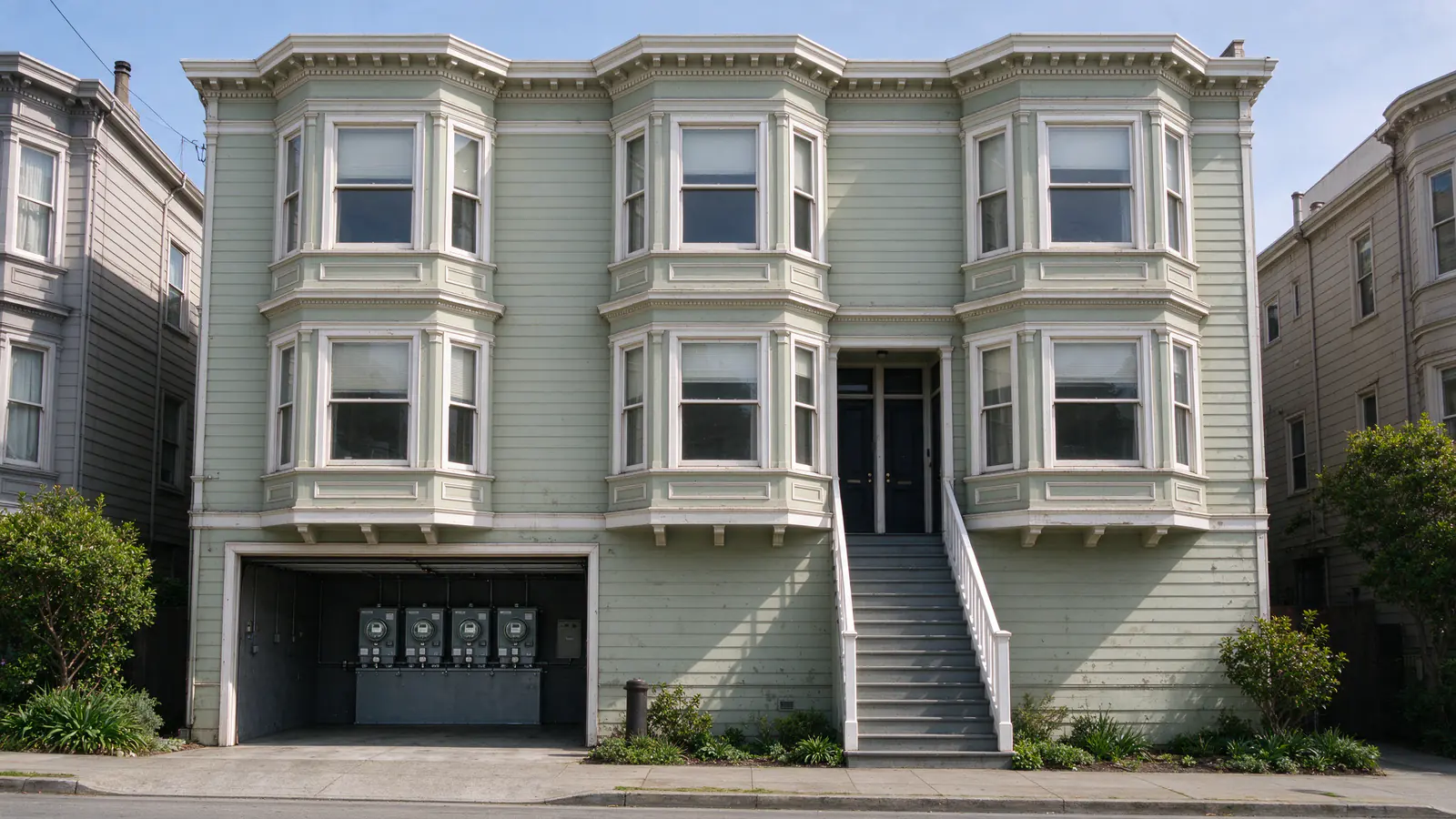
A comparable quote splits the panel, the service and meter work, PG&E’s charges, the DBI permit, and any branch-circuit work into their own lines, and says which circuits stay on knob and tube. A typical San Francisco range for a 100 A to 200 A upgrade on an overhead service is $3,000 to $10,000; the San Francisco cost guide puts it next to rewiring costs, and the cost estimator gives a first number without a call. In a building of flats, the meter bank is planned with the units, which the apartment building rewiring page covers.