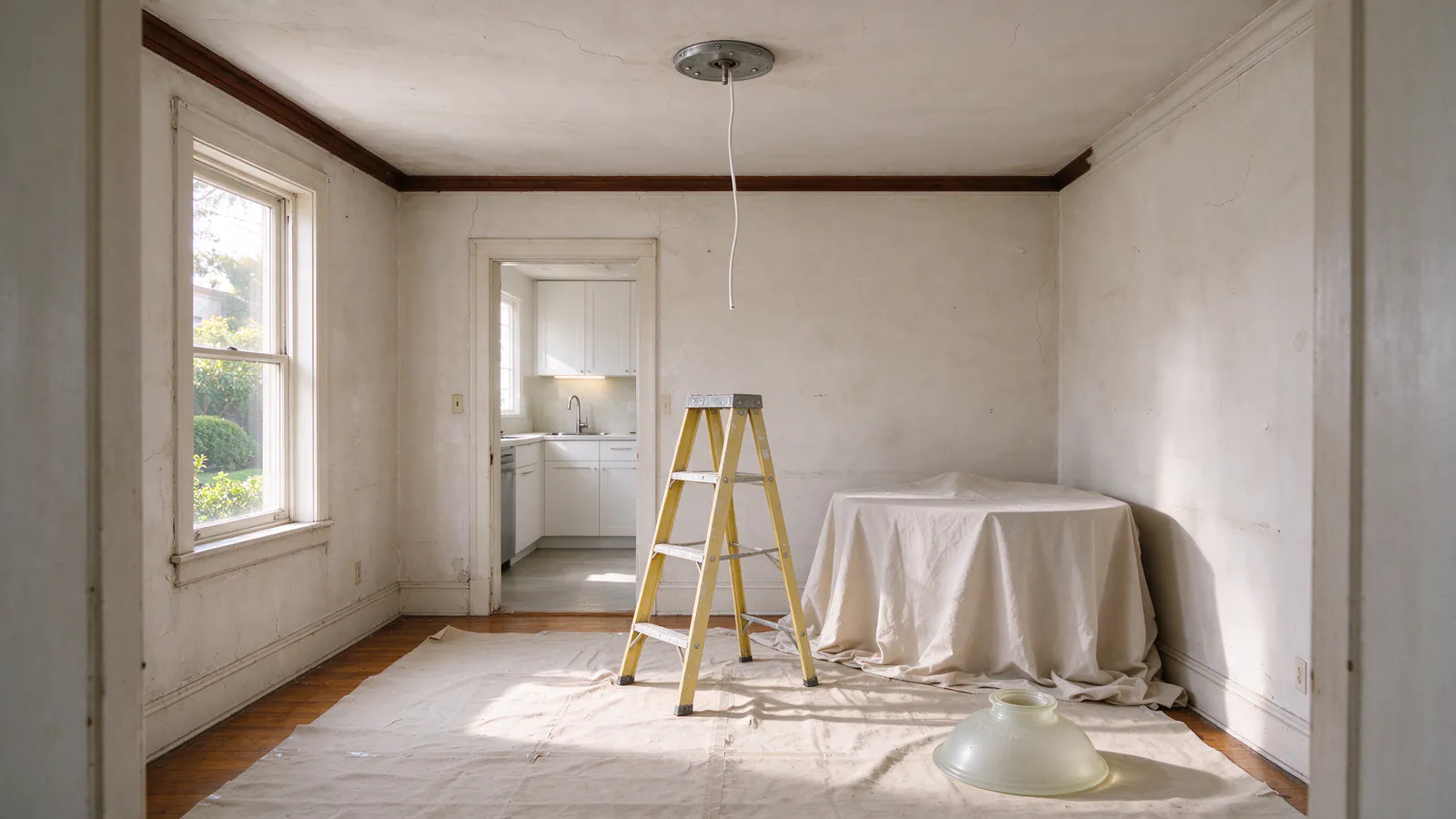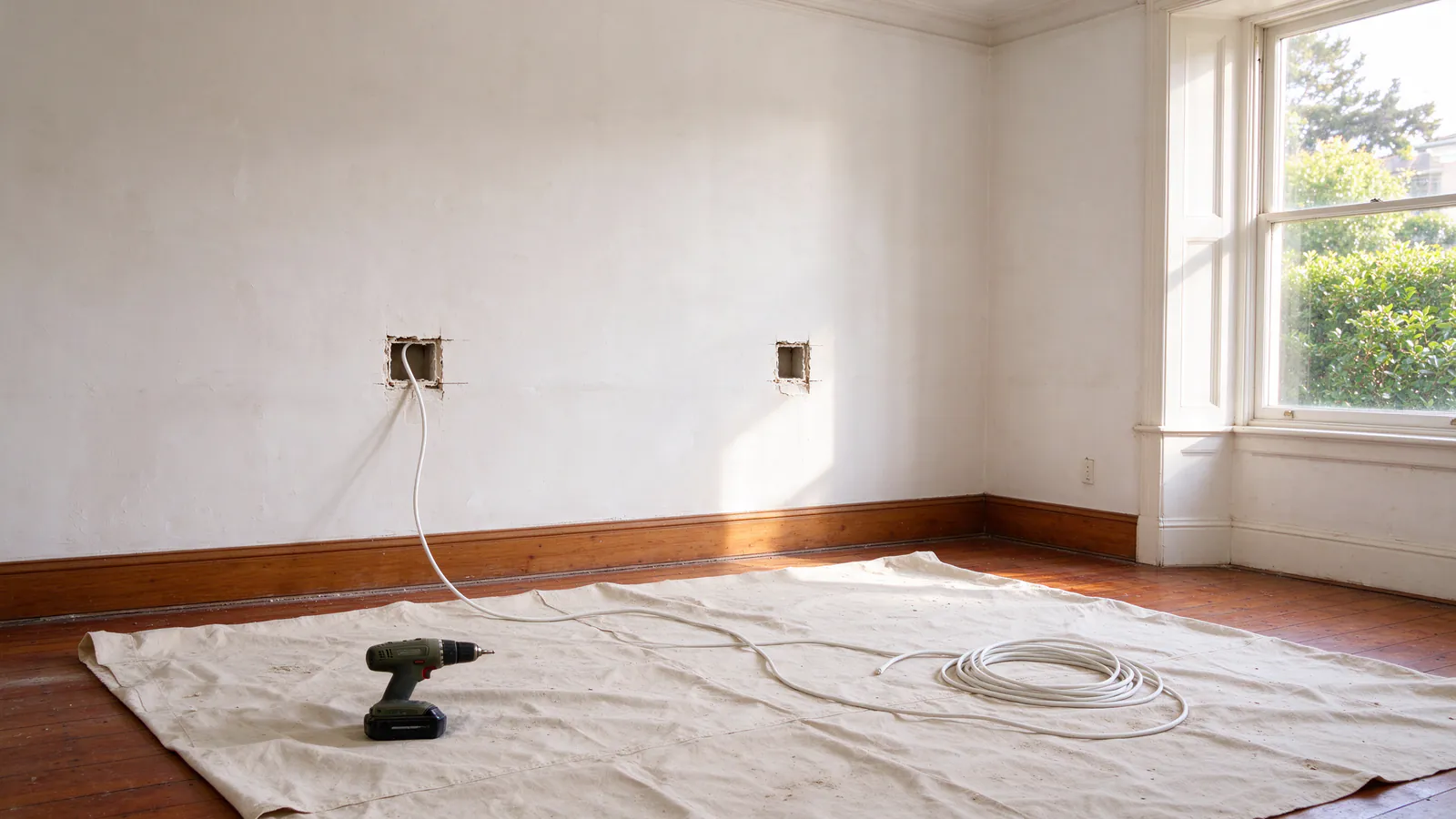
Fog City SF Knob and Tube replaces knob and tube wiring during kitchen, bathroom, garage and other remodels in San Francisco and the East Bay. The company tests the circuits in and around the work, sets the boundary of the replacement and schedules it with the general contractor and DBI’s inspections; the electrical work is carried out by licensed and insured electrical contractors.
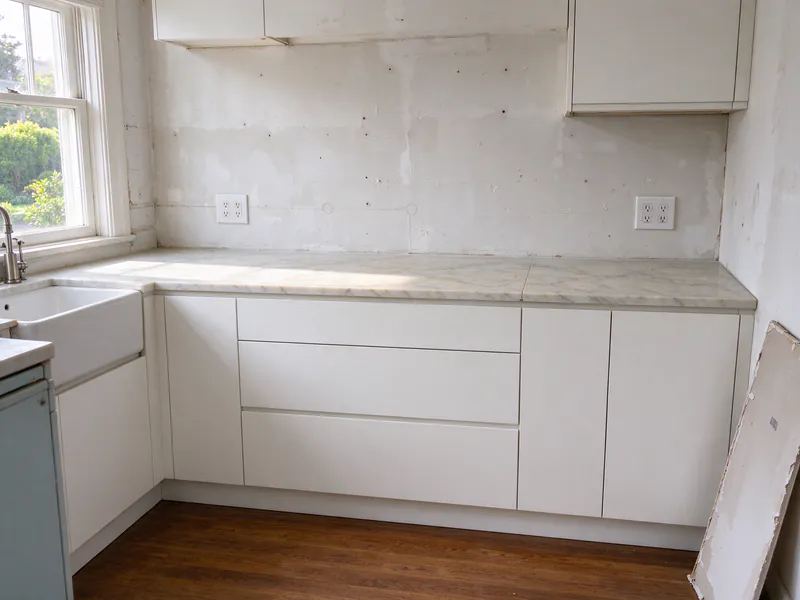
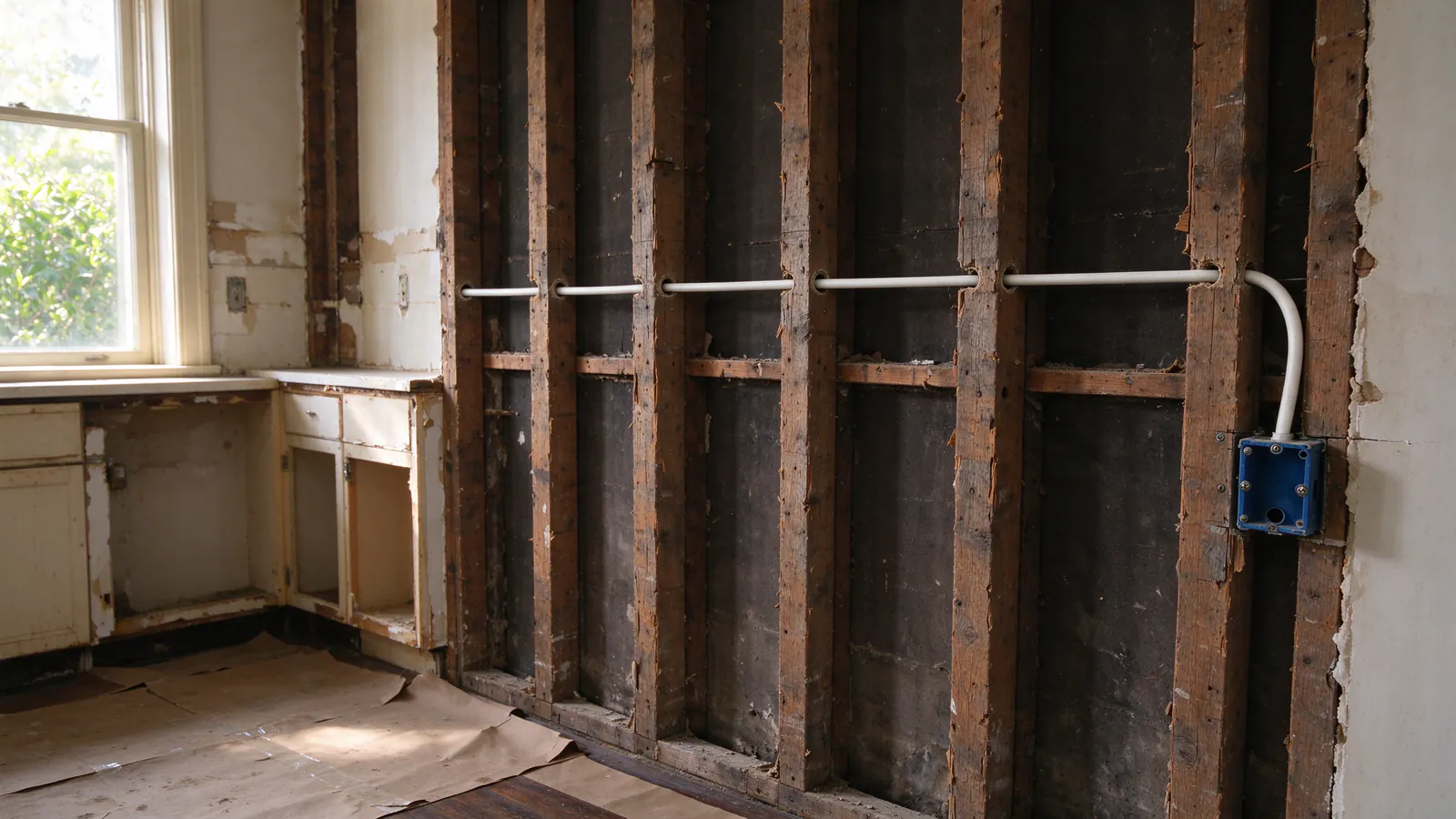
A remodel is one of the ways old wiring turns up, and one of the best times to replace it. DBI’s electrical permit records show it: of the permits filed since January 2016 that mention knob and tube, 156 also mention a remodel or renovation. When the walls are already open, new cable can be run without fishing and without extra openings, and the old runs can be pulled out instead of left in the cavity. The decision a remodel forces is not whether to replace the wiring in the room but how far past the room to go.
What happens on the first visit
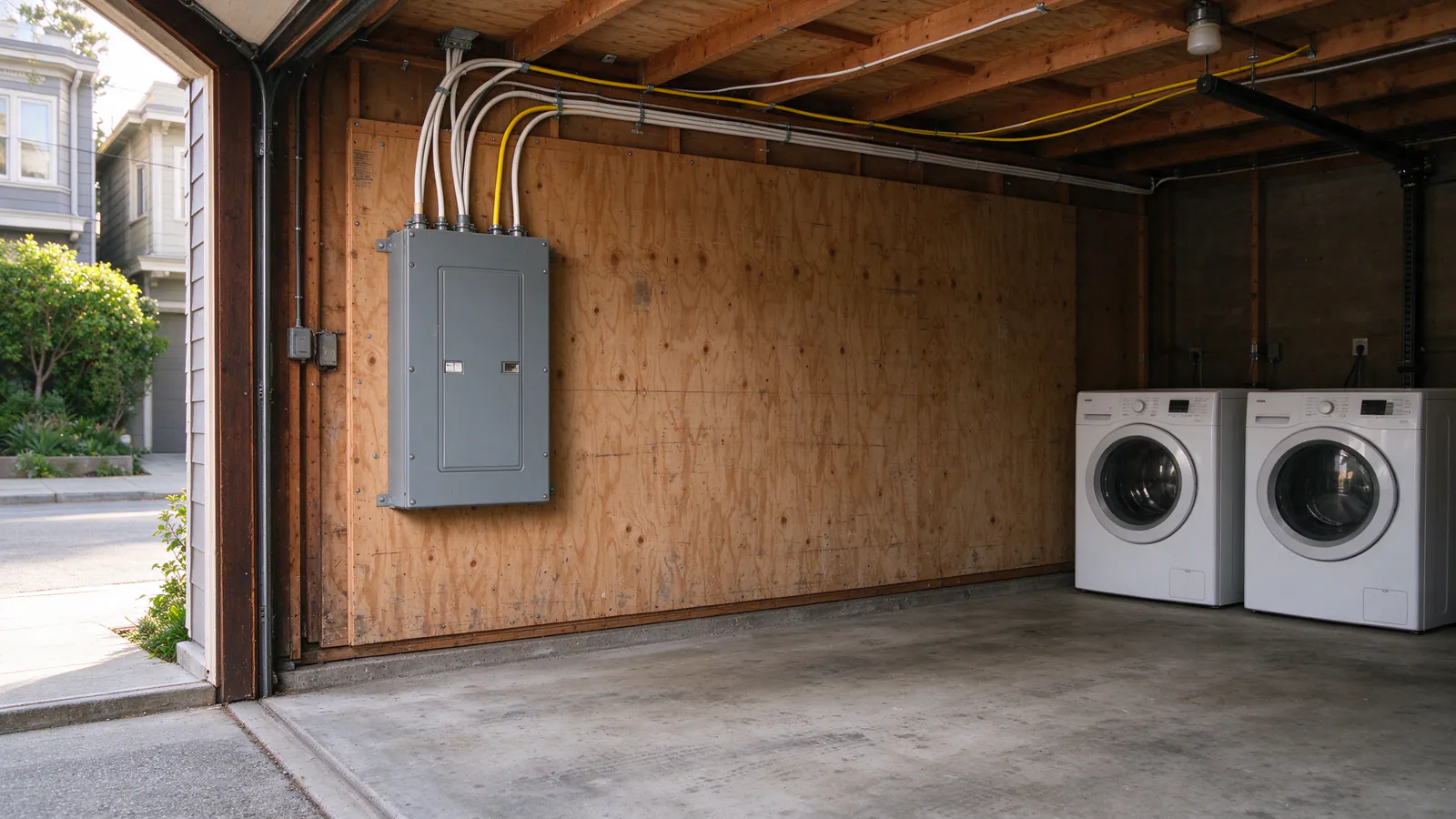
The first visit tests every circuit that enters, crosses or is fed from the remodel zone, and follows each one to see what else it serves. A kitchen circuit in an older San Francisco house can also feed a dining room, a hall light or the bedroom above. At the panel or fuse box, the visit records what protects each circuit and how much room there is for the new ones a remodel needs.
Ideally this happens before demolition, when the plan can still change. If the walls are already open, the exposed runs show where the eras meet, but nothing is cut or moved until testing shows what is live; the active vs abandoned guide explains why. The result is a written scope and price that draws the boundary: which circuits are replaced, which old circuits remain in service elsewhere, where each one ends, and every opening outside the remodel zone and who closes it.
How far past the remodel to go
Wiring is organized by circuit, not by room, and that is what makes the boundary a real decision. Replacing only the wiring inside the opened walls is the smallest scope, and it fits when the room’s circuits serve nothing else. When an old circuit runs through the kitchen and on to other rooms, replacing it inside the kitchen and reconnecting it outside leaves a splice between eras in a wall that is about to close.
The middle option replaces every old circuit that touches the zone, all the way to its last outlet. It usually needs a few openings beyond the remodel, but it leaves no hybrid circuit behind. The largest option treats the remodel as the start of a whole-house rewire, using the open walls as the main route for a floor. Homeowners report weighing exactly this question once demolition shows how much original wiring is left, sometimes when finishing the job would mean taking down a ceiling that was meant to stay. A test of every circuit puts a scope and a price on each option before that choice is made. Where only a few old circuits remain after the remodel, partial knob and tube replacement covers them, with a written record of what is left.
When demolition exposes knob and tube
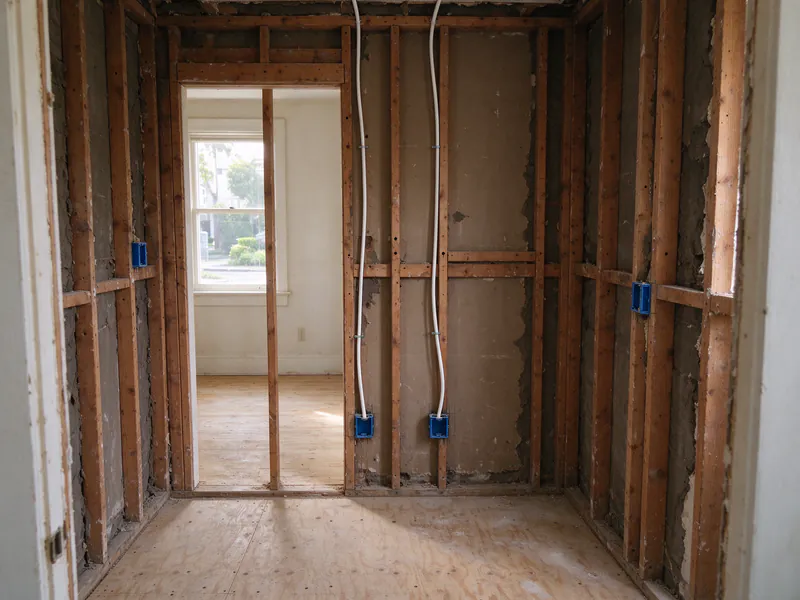
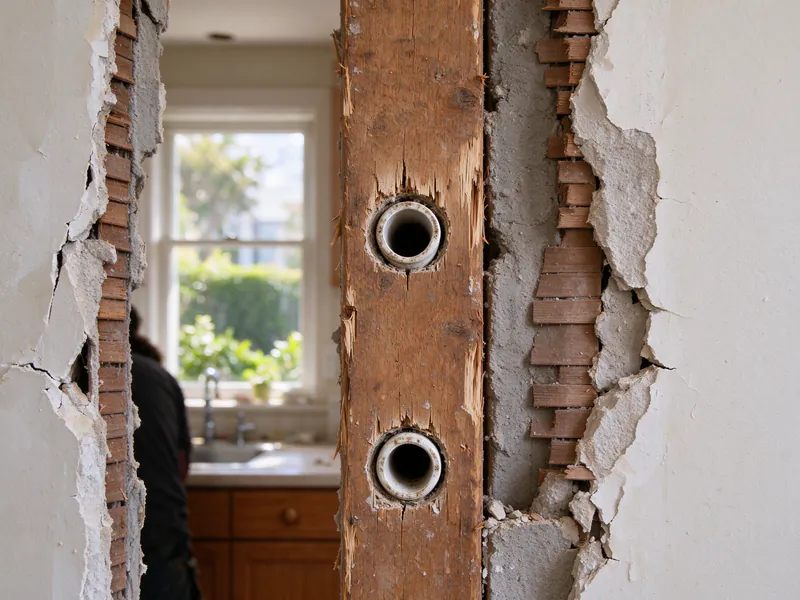
Remodels open walls nobody has looked into for decades, and what is inside may be knob and tube. The rule on site is simple: work stops in that area and the wiring is left alone until it is tested. Runs that look abandoned can be live, and the rubber insulation on old conductors cracks when it is pulled, bent or stepped on. Testing shows what each run feeds, and the boundary is drawn from there.
The other common find is a hybrid: cloth-insulated or modern cable connected to knob and tube at a splice somewhere in the ceiling. Some earlier remodels did exactly what this one should avoid, running new cable to the nearest old circuit. The guide to knob and tube mixed with Romex explains how those joints form, and cloth wiring replacement covers the cable that followed knob and tube.
Found porcelain knobs behind the old cabinets?
Have the exposed runs tested before the walls close, and get a boundary and a price for replacing them.
Why new work is not spliced onto old
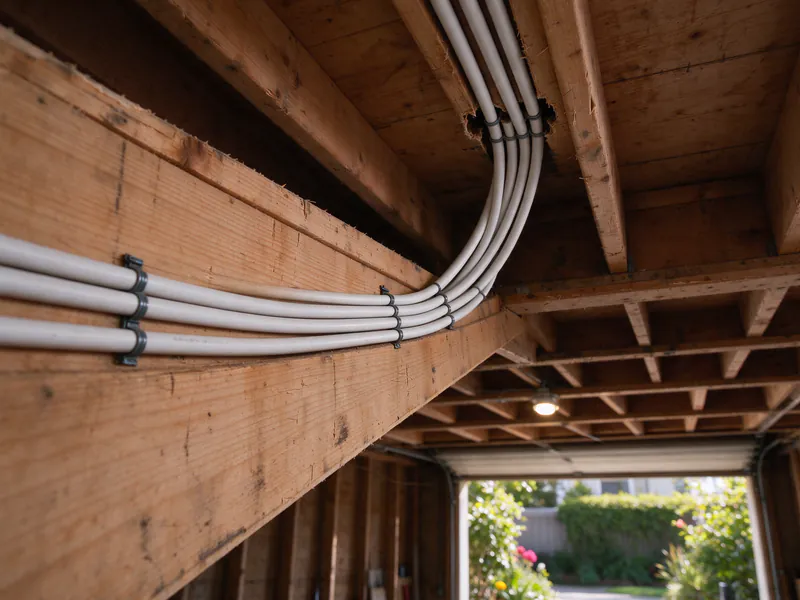
Every new circuit for the remodel runs back to the panel as a home run. Connecting it to an existing knob and tube circuit would put an ungrounded, aging section of wiring behind new outlets, inside a wall that is about to be closed, on a circuit protected for the older conductors. No San Francisco amendment addresses extending knob and tube, and the city’s code lets existing wiring remain if it was legal when installed and maintained; the plan avoids the question by not extending it. In the East Bay, the City of Alameda’s Building Official states plainly that knob and tube cannot be extended.
New and changed circuits are built to the California Electrical Code San Francisco adopted, operative January 1, 2026. Branch circuits that are modified, replaced or extended in most living areas need arc-fault protection, kitchens, bathrooms, laundry areas and the other listed locations need ground-fault protection, and new receptacles must be tamper-resistant. The AFCI and GFCI guide covers each device. Where the remodel adds an induction range, a heat pump dryer or other heavy loads, a load calculation shows whether the panel can carry them, and an electrical panel upgrade is planned into the same project if it cannot. Piedmont goes further than the state code in the East Bay: its local amendments require at least one 240-volt, 50-amp circuit within 6 feet of the kitchen cooking appliance location, and apply that rule when circuits near an existing or proposed range or oven are modified, or when more than half of a unit’s 120/240-volt wiring is replaced.
Sequencing with the general contractor and DBI
The electrical work has to fit between demolition and wallboard. San Francisco requires a DBI electrical permit before new wiring or alterations begin; licensed contractors in the classifications DBI lists may apply, with the C-10 electrical license covering any electrical work. The work then gets a pre-cover inspection before any wiring is covered or concealed, and DBI can order concealed, uninspected work exposed at the owner’s expense. So the sequence is fixed: rough-in, pre-cover inspection, then insulation and wallboard, then devices, final inspection and the Green Tag. The San Francisco electrical permit guide walks through each step.
Insulation is the other reason to settle the wiring first. The California Electrical Code bars concealed knob and tube in insulated hollow spaces of walls, ceilings and attics where the insulation envelops the conductors, except under a narrow certification process. A remodel that insulates exterior walls or the ceiling below an attic has to deal with any knob and tube left in those cavities; knob and tube under attic insulation explains the options. DBI also presumes buildings built before 1979 contain lead paint unless a certified inspector shows otherwise, which shapes how plaster outside the remodel zone is opened; the lead and asbestos guide explains what that adds.
What it costs
The wiring inside the remodel zone is priced as part of the remodel’s electrical scope, and open walls make it the cheapest wiring in the house to replace. Going further is priced by circuits and access. For several remaining circuits, a national budgeting range is $2,000 to $10,000; for a whole-house knob and tube replacement in a San Francisco single-family home, a typical range for the electrical scope is $20,000 to $50,000 or more, with permits. Current DBI electrical permit fees run from $305 for up to 10 outlets or devices to $740 for more than 40. Openings outside the remodel zone are patched as an itemized line in the quote. The San Francisco cost guide explains what moves each number.